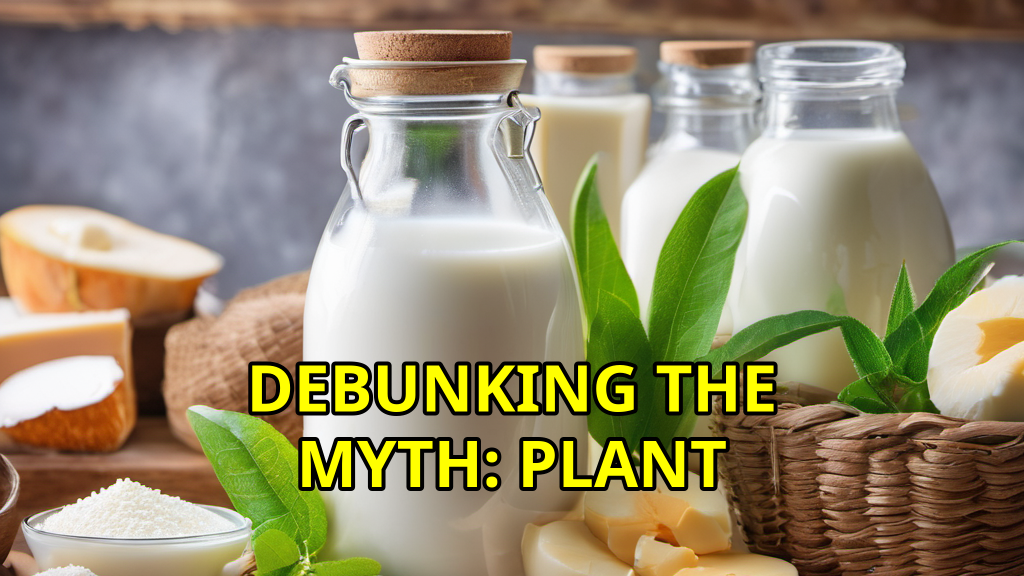
For years, plant milk enthusiasts have been led to believe that these dairy-free alternatives are the healthiest choice for those with dietary restrictions. However, a growing body of evidence has been emerging, highlighting a disturbing issue with some plant milks. At the heart of this concern lies a key additive: phosphorus. But what exactly is this substance, and why is it a safety concern?
The alarming truth is that some plant milks, particularly those fortified with calcium, may contain excessive levels of phosphorus. This is especially true for those sweetened with natural alternatives like dates, honey, or maple syrup. High phosphorus intake has been linked to various health issues, including kidney damage, bone disorders, and even cardiovascular disease. The problem lies not with plant milk itself, but with the way it is processed and labeled. Unscrupulous manufacturers have been known to hide the true extent of phosphorus content in their products.
As a consumer, it’s time to take control of your label reading skills. With the right knowledge and attention to detail, you can make informed choices about the plant milk you drink. Next time you’re at the grocery store or browsing online, take a closer look at the ingredient list and nutrition label. Don’t be afraid to ask questions or seek out brands that prioritize transparency and sustainability. By doing so, you’ll be one step closer to enjoying the benefits of plant milk while protecting your health and well-being.
Watch the Video
#plantmilksafety #phosphorusadditives #plantmilklabels #debunkingmyths #plantmilktruth